Blog

  • Composite Bonding

    Dr. Karan Mehta

    .

    Composite Bonding

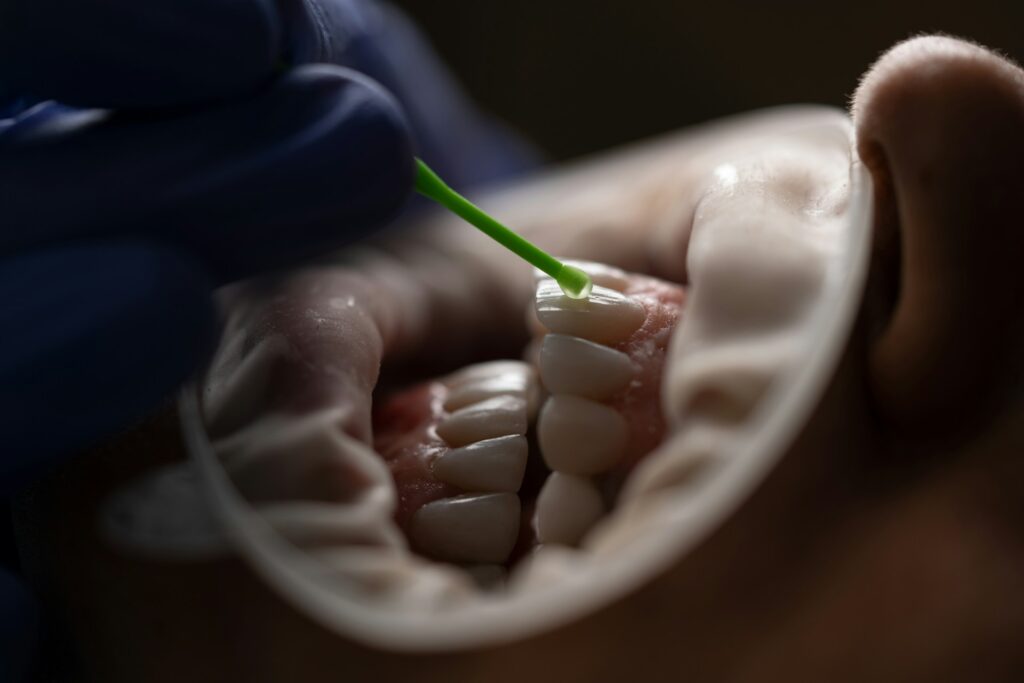
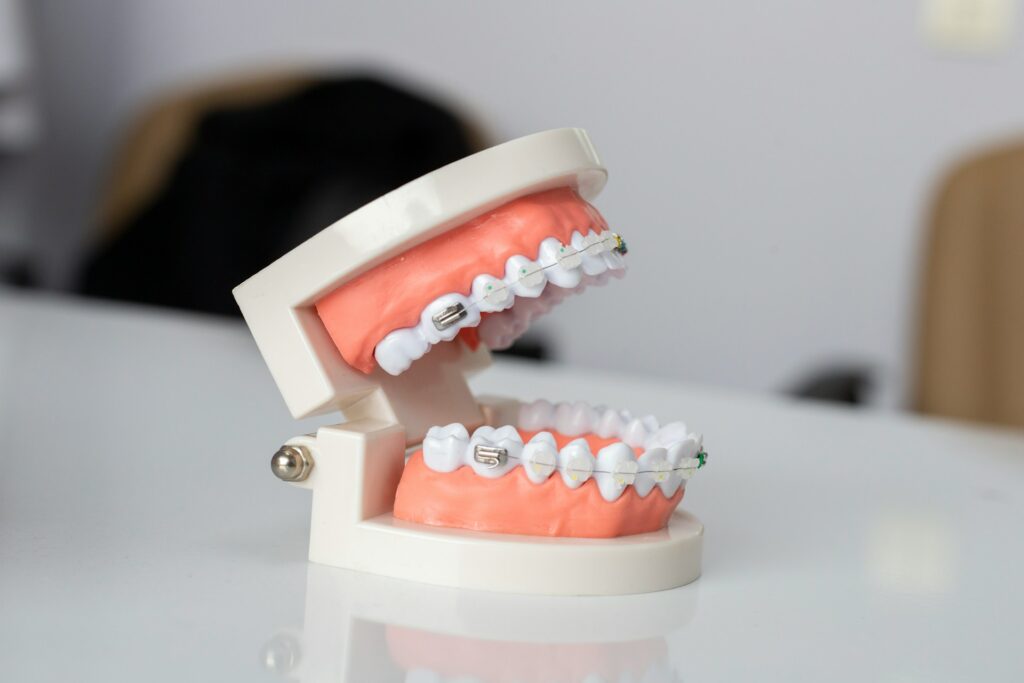
    Composite bonding (also called dental bonding) is a cosmetic dental procedure in which a tooth-colored resin material is applied to the teeth to improve their appearance. It is a non-invasive, quick, and affordable treatment used to repair chipped, discolored, misshaped, or slightly gapped teeth.
    Purpose of Composite Bonding

    Composite bonding is used for various cosmetic and minor restorative purposes, such as:

    • Repairing chipped or cracked teeth

    • Improving the appearance of discolored teeth

    • Closing small gaps between teeth

    • Making teeth look longer or more uniform

    • Protecting exposed tooth roots caused by receding gums

    Composite Bonding vs. Other Procedures

    FeatureComposite BondingVeneersCrowns
    Invasiveness            Minimally invasive               Requires enamel removal        Requires significant tooth prep
    CostLowerModerate to highHigh
    Durability3–7 years10–15 years10–15 years
    Time RequiredSingle visit2–3 visits2–3 visits
    ReversibilityMostly reversibleIrreversibleIrreversible
  • Dental X-Rays

    Dr. Karan Mehta

    .

    Dental X-Rays

    Dental X-rays (also called radiographs) are a diagnostic tool used by dentists to view the internal structures of the teeth, jawbone, and surrounding tissues. They help identify problems that are not visible during a routine dental examination, such as tooth decay, bone loss, abscesses, and impacted teeth. Dental X-rays are an essential part of preventive and therapeutic dental care.

    Importance of Dental X-Rays

    • Detect cavities between teeth and under fillings.

    • Identify bone loss from periodontal (gum) disease.

    • Locate infections, abscesses, or cysts.

    • Assess the development of wisdom teeth or other unerupted teeth.

    • Monitor the progress of orthodontic treatment.

    • Diagnose tumors or other abnormalities.

    Types of Dental X-Rays


    A. Intraoral X-Rays (taken inside the mouth)


    1. Bitewing X-Rays

      • Show upper and lower back teeth in one image.

      • Used to detect decay, bone loss, and fit of dental restorations.

    2. Periapical X-Rays

      • Show the entire tooth, from crown to root tip.

      • Useful for detecting root infections, abscesses, and structural changes.

    3. Occlusal X-Rays

      • Capture the floor or roof of the mouth.

      • Used to locate extra teeth, jaw fractures, or cysts.

    B. Extraoral X-Rays (taken outside the mouth)


    1. Panoramic X-Rays

      • Provide a full image of the entire mouth, jaws, and sinuses.

      • Helpful in assessing impacted teeth, jaw disorders, and bone abnormalities.

    2. Cephalometric X-Rays

      • Side-view of the head, often used in orthodontics to plan braces.

    3. Cone Beam CT (CBCT) Scans

      • 3D imaging for detailed assessment of bone and nerve pathways.

      • Commonly used for dental implants and complex procedures.

  • Teeth Whitening

    Dr. Karan Mehta

    .

    Teeth Whitening

    Teeth whitening is a popular cosmetic dental procedure designed to lighten the shade of the teeth and remove stains and discoloration. Over time, teeth may become yellow or stained due to aging, food habits, smoking, or poor oral hygiene. Whitening treatments help restore a brighter, whiter smile, enhancing both appearance and confidence.

    Teeth Whitening Procedure (In-Office)

    1. Initial Assessment

      • Dentist examines oral health and suitability.

      • Cavities and gum issues must be treated first.

    2. Preparation

      • Cheek retractors and gum protectants are used to protect soft tissues.

    3. Application of Whitening Agent

      • Hydrogen peroxide or carbamide peroxide gel applied to the teeth.

    4. Activation (optional)

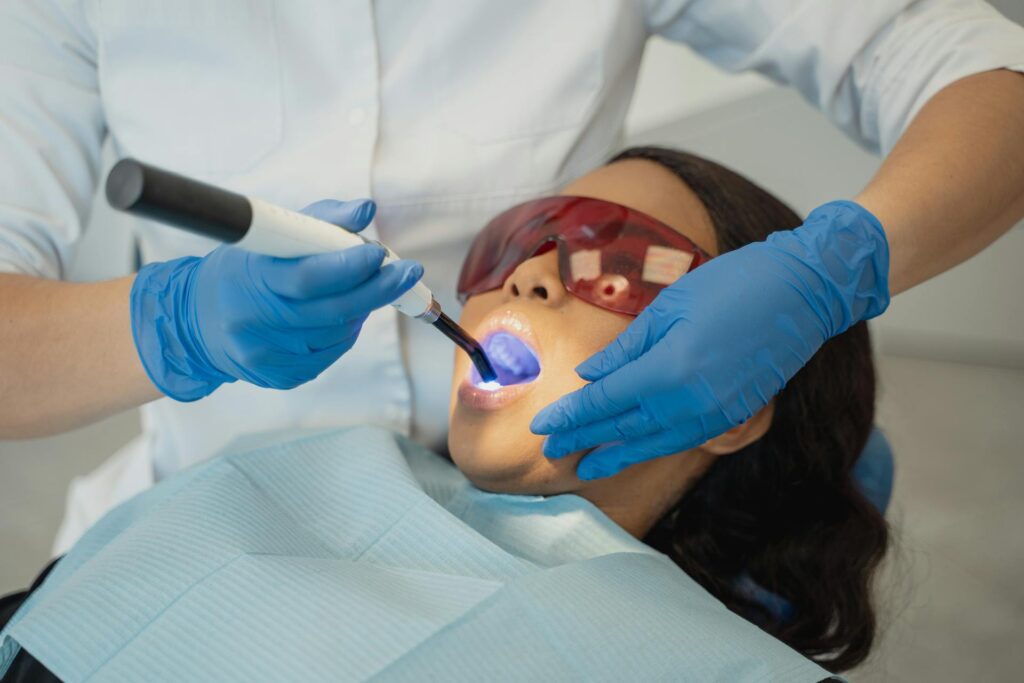
      • Some methods use laser or LED light to accelerate the reaction.

    5. Rinsing and Result Evaluation

      • Teeth are rinsed, and shade comparison is done.

    Causes of Tooth Discoloration

    Tooth discoloration can be categorized as:

    A. Extrinsic Stains (surface stains)

    • Caused by coffee, tea, red wine, cola, tobacco, etc.

    • Affects the outer enamel layer.

    B. Intrinsic Stains

    • Occur inside the tooth.

    • Caused by aging, trauma, excessive fluoride, or certain medications (e.g., tetracycline).

    C. Age-Related Discoloration

    • Enamel wears down, exposing the yellow dentin beneath.

  • Wisdom Tooth Surgery

    Dr. Karan Mehta

    .

    Wisdom Tooth Surgery

    Wisdom tooth surgery, also known as third molar extraction, is a common oral surgical procedure performed to remove one or more wisdom teeth — the last set of molars that typically erupt between the ages of 17 and 25

    Why Wisdom Tooth Surgery is Needed


    A. Impacted Teeth

    • Wisdom teeth are often impacted, meaning they don’t have enough room to erupt normally.

    • They may grow sideways, partially emerge, or remain trapped under the gum and bone.

    B. Pain and Discomfort

    • Impacted wisdom teeth can cause jaw pain, swelling, and tenderness in the gums.

    C. Infection and Gum Disease

    • Partially erupted teeth can trap food and bacteria, leading to pericoronitis (inflammation of the gum tissue), infection, and even cysts or abscesses.

    D. Damage to Other Teeth

    • Misaligned wisdom teeth can push against adjacent molars, causing misalignment and damage to healthy teeth.

    E. To Prevent Future Problems

    • In some cases, wisdom teeth are removed preventively, even if they aren’t currently causing problems, to avoid future complications.

    Types of Wisdom Tooth Surgery


    A. Simple Extraction

    • For wisdom teeth that have fully erupted.

    • Procedure involves loosening the tooth with an elevator and removing it with forceps.

    B. Surgical Extraction

    • Required for impacted or partially erupted teeth.

    • A minor surgical procedure is performed under local or general anesthesia.

    • May involve cutting the gum, removing bone, or sectioning the tooth.

  • Kids Dentistry

    Dr. Karan Mehta

    .

    Kids Dentistry

    A child’s oral health is a critical part of their overall well-being. Kids dentistry, also known as pediatric dentistry, is a specialized field of dental care focused on the oral health of infants, children, and adolescents, including those with special

    Importance of Kids Dentistry

    1. Early Detection of Dental Problems: Pediatric dentists are trained to identify early signs of cavities, misalignment, and developmental issues.

    2. Prevention-Oriented Approach: Preventive care like fluoride treatments and dental sealants can protect against future problems.

    3. Building Dental Habits Early: Children learn brushing, flossing, and healthy eating habits in a positive environment.

    4. Comfort and Anxiety Control: Pediatric dentists use child-friendly tools and techniques to make dental visits fun and fear-free.

    Special Concerns in Kids Dentistry


    1. Thumb Sucking and Pacifier Use

    Prolonged habits can lead to misaligned teeth or bite issues. Pediatric dentists guide parents on how and when to stop such habits.

    2. Teething Problems

    Pediatric dentists provide support for managing pain, drooling, and irritability during teething.

    3. Bottle Tooth Decay

    Putting a baby to sleep with a bottle can cause severe tooth decay. Pediatric dentists educate parents about safe feeding practices.

    4. Dental Injuries

    Children are prone to falls and sports injuries. Pediatric dentists treat chipped, broken, or knocked-out teeth promptly and effectively.

  • Sensitive Teeth Treatment

    Dr. Karan Mehta

    .

    Sensitive Teeth Treatment

    Tooth sensitivity, medically known as dentin hypersensitivity, is a common dental condition that causes discomfort or sharp pain when teeth are exposed to certain stimuli such as cold, hot, sweet, acidic foods or drinks, or even when brushing and flossing.

    Common Causes Include:

    • Aggressive Brushing: Brushing your teeth too hard or using a hard-bristled toothbrush can wear down enamel and push gums back.
    • Gum Recession: Often caused by gum disease, exposing the root surface which isn’t protected by enamel.
    • Tooth Decay: Cavities or damaged fillings can expose dentin.
    • Acidic Foods and Beverages: Excessive consumption of citrus fruits, soda, wine, and vinegar-based products erodes enamel.
    • Teeth Grinding (Bruxism): Can wear down enamel and lead to sensitivity.
    • Teeth Whitening Products: Some over-the-counter whitening products can cause temporary sensitivity.
    • Post-Dental Procedure Sensitivity: Procedures like fillings, crowns, or teeth cleaning can lead to short-term sensitivity.
    • Cracked or Chipped Teeth: These can expose the tooth nerve.

    Treatment Options for Sensitive Teeth

    Depending on the severity and cause, treatment for sensitive teeth can range from at-home remedies to professional dental procedures.

    Desensitizing Toothpaste

    One of the first treatments usually recommended. These contain compounds like:

    • Potassium nitrate: Helps block pain signals from nerve to brain

    • Strontium chloride: Blocks tubules in the dentin

    It may take several weeks of regular use for noticeable relief.

    Fluoride Treatment

    Dentists may apply topical fluoride gel or varnish to strengthen enamel and reduce pain. Prescription-strength fluoride toothpaste may also be recommended.

    Bonding Agents

    If exposed dentin or root surfaces are causing sensitivity, a dentist may apply bonding resin to cover these areas and block stimuli.

    Gum Grafting

    In cases where gum recession has exposed root surfaces, a surgical gum graft may be used to cover exposed roots and reduce sensitivity.

    Root Canal Treatment

    For severe, persistent sensitivity that doesn’t respond to other treatments, root canal therapy may be necessary. This procedure removes the infected or irritated pulp and eliminates sensitivity.

    Dental Sealants

    Sealants can be applied to protect sensitive areas from exposure to external stimuli.

    Mouthguard for Bruxism

    If grinding is the root cause, a custom-fitted mouthguard can help protect enamel during sleep.

  • Root Canals

    Dr. Karan Mehta

    .

    Root Canals

    Dental health plays a crucial role in overall well-being. While many people are familiar with common dental procedures such as fillings or cleanings, one of the most significant treatments for saving natural teeth is the root canal. Root canal treatment, also known as endodontic therapy,

    Why Root Canal Treatment is Needed

    Root canal therapy is recommended when the pulp inside the tooth becomes irreversibly damaged or infected. Common reasons include:

    1. Deep Tooth Decay

      • Untreated cavities that penetrate the enamel and dentin, reaching the pulp.

    2. Repeated Dental Procedures

      • Multiple fillings or restorations on the same tooth can stress and damage the pulp.

    3. Cracks or Fractures

      • Cracks in teeth expose the pulp to bacteria.

    4. Trauma or Injury

      • Accidents or blows to the mouth may injure the pulp even if the tooth appears intact.

    5. Severe Gum Disease

      • In rare cases, infection from surrounding gums spreads into the pulp.

  • Cosmetic Dentistry

    Dr. Karan Mehta

    .

    Cosmetic Dentistry

    Cosmetic dentistry refers to a specialized branch of dental care that focuses on enhancing the appearance of a person’s teeth, gums, and overall smile. Unlike general dentistry, which is primarily aimed at maintaining oral hygiene and treating dental problems, cosmetic dentistry is mainly elective and deals with aesthetics, although it often provides functional benefits as well.

    Importance of Cosmetic Dentistry

    • Boosts Confidence and Self-Esteem
      A bright, well-aligned smile makes people feel more confident in both personal and professional life.

    • Improves Social and Professional Interactions
      First impressions matter, and a confident smile can leave a lasting positive impact.

    • Enhances Oral Functionality
      Some procedures not only beautify teeth but also improve bite alignment and chewing efficiency.

    • Anti-Aging Effects
      Cosmetic dentistry can restore worn, discolored, or missing teeth, making individuals look younger.

    • Corrects Dental Defects
      Issues like discoloration, chipped teeth, gaps, and irregular alignment can be treated effectively.